Event · September 28, 2025
The lab takes part in UNESCO's AI4IA conference
Jorge Alberto Hidalgo Toledo represented the lab at the 6th Artificial Intelligence for Information Accessibility conference, in the “AI at the service of humanity” track.
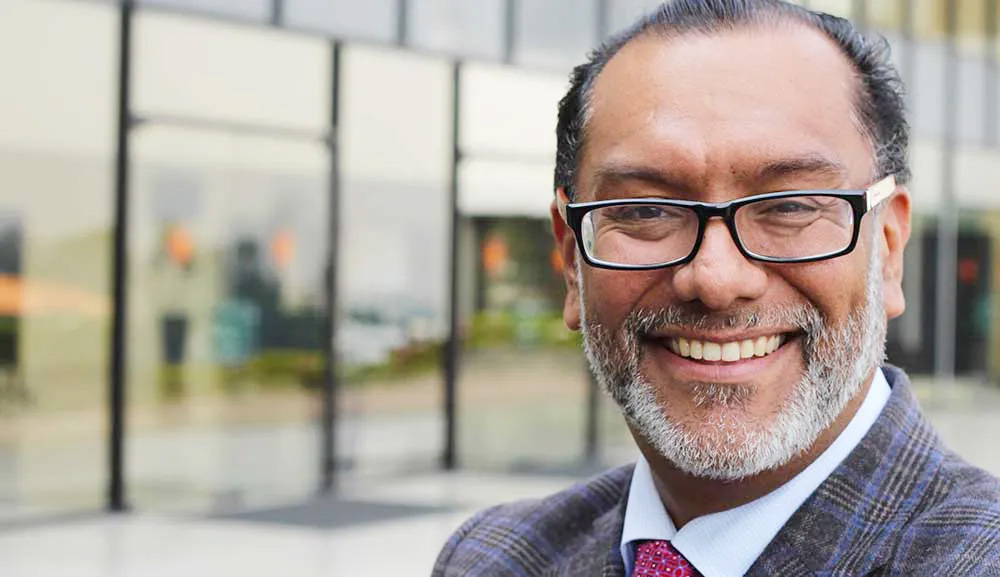
The Human & Nonhuman Communication Lab at Universidad Anáhuac México's School of Communication took part in UNESCO's 6th Artificial Intelligence for Information Accessibility (AI4IA) Conference, held on September 28, 2025.
Context
The conference is organized by the Working Group on Information Accessibility (WGIA) of UNESCO's Information for All Programme (IFAP), as part of the International Day for Universal Access to Information (IDUAI). The 2025 edition ran in a global, open format and brought together dozens of international specialists in information accessibility, equity and governance in the age of artificial intelligence.
Its goals are to ensure meaningful access to information, promote inclusion and build capacities for resilient, informed societies.
What happened
Representing the lab, Dr. Jorge Hidalgo Toledo, academic coordinator of graduate programmes and director of the Human & Nonhuman Communication Lab, spoke in the track “Artificial Intelligence at the service of humanity”. His talk argued for a person-centered, ethical approach oriented to the common good when designing and deploying AI systems.
Key ideas
The proposal was built on three guidelines:
1. Access to information as a right that enables civic participation.
2. Algorithmic transparency and explainability to reduce bias and asymmetries.
3. Critical digital literacy as a civic skill for a responsible technological culture.
These guidelines echo the IDUAI agenda, which each year brings governments, academia and civil society together to align innovation, rights and human dignity.
Why it matters for the lab
This participation places the lab in the international conversation on the ethical use of artificial intelligence and connects directly with its line Digital culture, trust and power, which studies how technology redistributes access to information, trust and the ability to decide. It also strengthens the School of Communication's role in that global debate.